Top 10 Advantages of Double Girder EOT Crane 2026
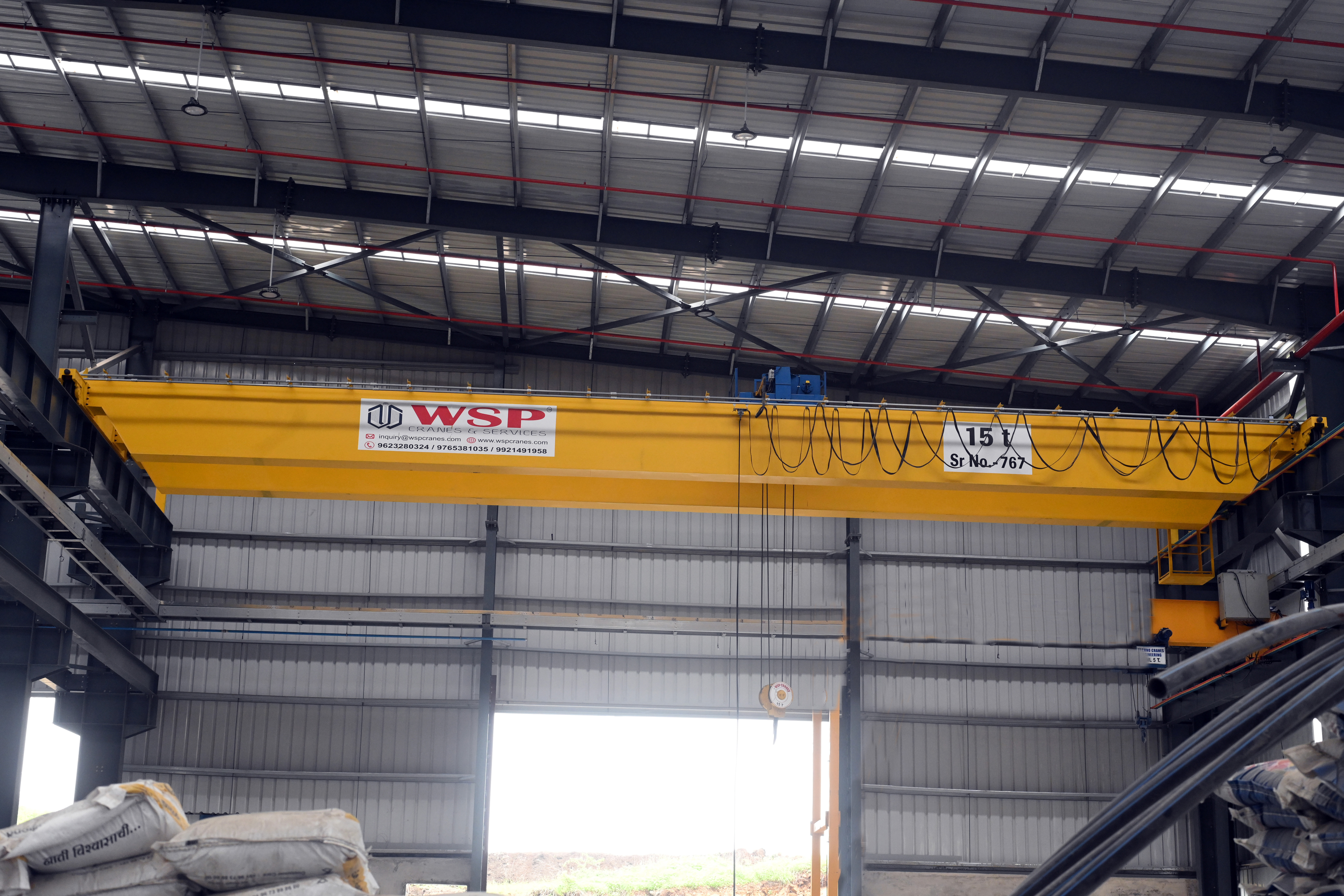
Looking for a reliable solution to move heavy materials across a factory, fabrication unit or industrial plant? A double girder EOT (Electric Overhead Travelling) crane uses two main bridge girders to support a trolley and hoist, making it suitable for demanding lifting operations where capacity, stability and working height matter. In this guide, discover the top 10 advantages of double girder EOT cranes in 2026, where they are used, and how to choose a configuration for your facility.
Actual capacity, span, lift height and duty rating depend on the project design and site requirements. Confirm specifications with the manufacturer before ordering.
In this guide
What is a double girder EOT crane?
A double girder EOT crane is an overhead material-handling system that travels along elevated runway rails. Its bridge has two main girders, with a hoist trolley or crab travelling across the bridge to lift and move loads. The arrangement can provide greater structural stiffness, lifting capacity and equipment options than many single girder designs.
Double girder cranes are commonly considered for heavy or frequent lifting, wide bays, higher hook approaches and demanding industrial duty. The right selection depends on the load, span, height of lift, duty cycle, building structure and the environment in which the crane will operate.
Top 10 advantages of double girder EOT crane in 2026
1. Suitable for heavy-load handling
The two-girder bridge design is well suited to applications that require lifting heavier machinery, steel components, fabricated assemblies, dies or other industrial loads. Capacity must be selected using the maximum lifted load, including lifting beams, grabs and attachments—not just the product weight.
2. Better support for long spans
For wide production bays and large workshops, a properly engineered double girder crane can provide a practical overhead lifting solution across a long working area. The final span is determined by the load, deflection limits, building layout, runway design and engineering calculations.
3. Greater available hook height in suitable layouts
With the trolley positioned between or above the bridge girders, a double girder arrangement may offer a higher hook approach than some comparable crane configurations. This can help when lifting tall components or stacking materials, provided the building headroom and hoist arrangement are checked during design.
4. Stable and controlled load movement
A correctly designed bridge, suitable wheels and well-selected travel drives help the operator position loads accurately. Variable-frequency drives (VFDs), where specified, can support smoother acceleration and deceleration and help reduce sudden movement during travel.
5. Designed for demanding duty cycles
Manufacturing plants may need to move materials repeatedly throughout a shift. Double girder cranes can be configured for demanding duty requirements when the hoist, motors, brakes, gearboxes and structural components are selected for the actual lifting frequency and load spectrum.
6. Options for higher-capacity hoists and special attachments
Depending on the design, a double girder crane can accommodate heavy-duty hoist trolleys and application-specific lifting equipment. Options may include lifting beams, grabs, magnets or a second hoist when justified by the task and approved in the engineering design.
7. Scope for walkways and maintenance access
Some double girder configurations can include maintenance platforms, walkways and access arrangements to support inspection and servicing. These features must be designed for safe access and should not be added without checking clearances, loads and applicable safety requirements.
8. Flexible control options
Depending on the work area and risk assessment, operators may control the crane through a pendant, radio remote, cabin or a combination of systems. The right option can improve visibility and operator positioning while keeping people away from the suspended load where practical.
9. Adaptable to different industrial environments
Crane specifications can be selected for indoor workshops, foundries, fabrication units, process plants and certain outdoor applications. Temperature, dust, moisture, corrosive conditions and available power supply should be shared with the manufacturer so suitable components and protection can be specified.
10. Potential for better long-term material-handling productivity
When correctly sized for the application, an overhead crane can reduce dependence on floor-level material movement and help streamline production flow. Productivity benefits depend on the plant layout, operator training, maintenance practices and how well the crane matches the lifting task; a double girder crane is not automatically the most economical option for every facility.
Planning a double girder EOT crane?
Share your lifting capacity, rail span, height of lift and daily operating pattern so the crane can be evaluated against your actual requirements.
Single girder vs. double girder EOT crane
Both crane types can be effective when matched to the job. Use this comparison as a starting point and confirm the final choice with a qualified crane designer.
| Factor | Single girder EOT crane | Double girder EOT crane |
|---|---|---|
| Typical applications | Light to medium-duty handling, depending on design | Medium to heavy-duty handling, depending on design |
| Bridge construction | One main girder | Two main girders |
| Span and capacity | Suitable within its engineered capacity and span limits | Often selected for higher capacities and wider bays |
| Hook height | Depends on hoist type and available headroom | May offer improved hook approach in suitable layouts |
| Accessories | Options depend on crane design and duty | May offer more scope for platforms and specialised lifting arrangements |
| Initial investment | Often lower for comparable lighter-duty requirements | Often higher due to structure and equipment requirements |
If your lifting requirements are lighter or occasional, a single girder EOT crane may be sufficient. For open-yard material handling, compare the requirements with suitable goliath cranes. If you only need to replace or upgrade a hoist, review the electric wire rope hoist options.
Industrial applications of double girder EOT cranes
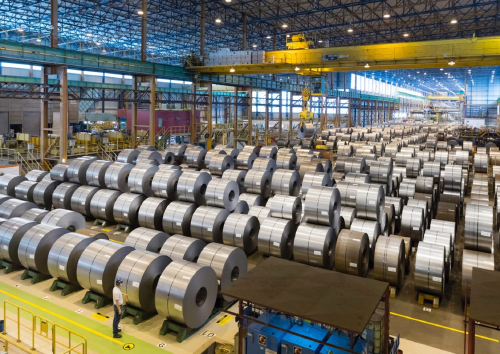
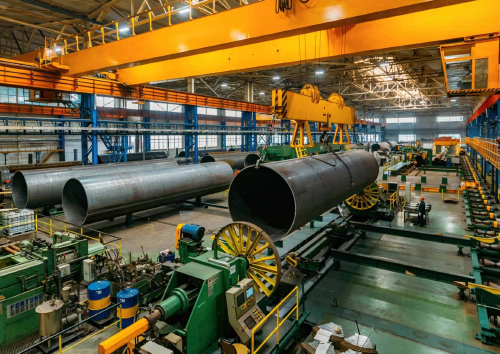
Double girder EOT cranes are commonly evaluated for steel plants, heavy fabrication workshops, foundries, power plants, shipyards, engineering facilities, machining shops and large warehouses. They can help move raw materials, machine parts, moulds, fabricated structures and equipment between workstations. Each installation should be designed around the load path, building structure, operator access and required safety systems.
How to choose the right double girder EOT crane
- Rated capacity: Identify the heaviest load, including any lifting attachment, and account for the planned operating method.
- Span: Measure between the centre lines of the crane runway rails and verify the building layout.
- Height of lift and headroom: Define the required hook travel and check roof trusses, services and clearances.
- Duty classification: Explain how often the crane operates, the typical load spectrum and the number of lifts per hour or shift.
- Control and safety features: Consider pendant, radio remote or cabin control, limit switches, overload protection and other required safety equipment.
- Site conditions: Share indoor/outdoor use, temperature, dust, moisture, power supply and available runway or support-column details.
- Installation and maintenance: Plan for inspection access, operator training, preventive maintenance and safe commissioning.
For a quotation, provide the capacity, span, height of lift, duty requirements, control preference, power supply and available building drawings. This information helps the engineering team assess a suitable configuration.
Steel Plants
Heavy Fabrication Units

Power Plants

Shipyards
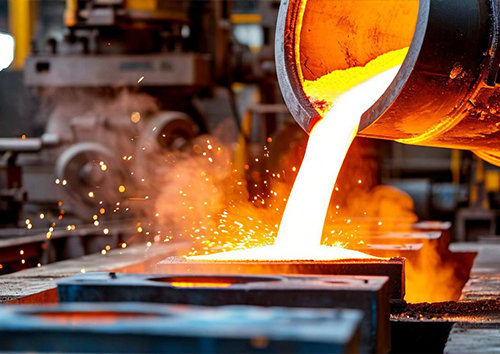
Foundries
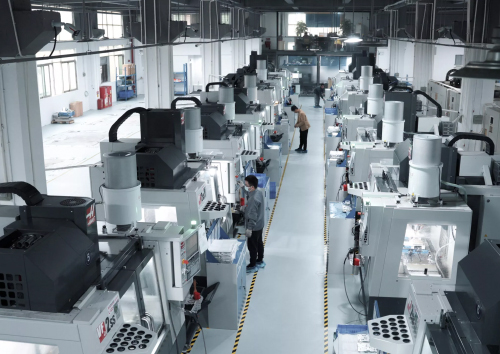
Machining Shops
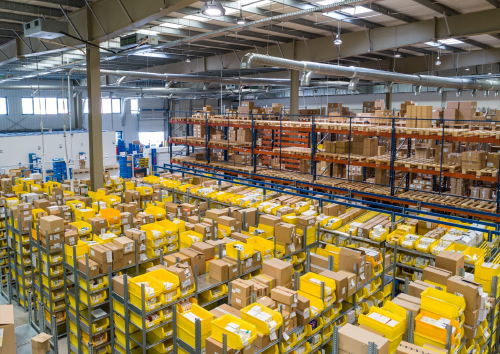
Warehouses
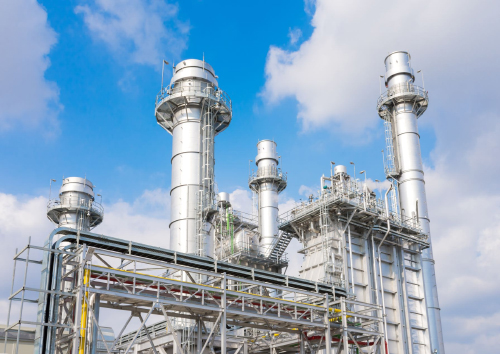
Engineering & Process Industries
Frequently asked questions
When should I choose a double girder crane over a single girder crane?
Choose double girder when you lift heavy loads (typically above 10–20 ton), have a long span, need extra hook height, or run the crane for long hours every day. For lighter, occasional lifting, single girder is usually more economical.
What capacity and span can WSP build?
From 2 ton to 100 ton, with spans up to 50 m and height of lift up to 30 m. Each crane is designed for your building, duty cycle and load.
What details do I need to share to get a quotation?
Capacity, span (rail centre to rail centre), height of lift, working duty (hours per day and load pattern), control type, power supply, and building details such as rail level and headroom.
Which standards do you follow?
Design follows IS 3177 for EOT cranes and IS 807 for structural design, with the duty class selected to suit your application.
Can I operate the crane with a pendant, radio remote or cabin?
Yes. You can choose a pendant, radio remote, cabin, or a combined system depending on your layout and safety needs.
Ready to plan your double girder EOT crane?
WSP Cranes & Services, Dehugaon, Pune. Send us your capacity, span and height of lift and we will suggest the right design. Looking for other options? Browse our full range of EOT cranes.

